By Gary Symons
TLL Editor in Chief
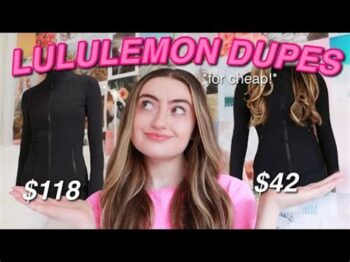
When fashion vlogger Lulu Fox (image at right) revealed her favorite ‘dupes’ of Lululemon products, her fans loved it.
 “, said one. and ‘wow’ about dupes of its high end athletic wear. The company has been fighting brand counterfeiting for many years now, and this month took another extraordinary step to protect its IP.
Dupes is a slang term that describes items duplicated or copied by a company that did not make the original. In recent years the ‘dupes’ trend has exploded across the internet, particularly on social media platforms like YouTube and TikTok. Fashion bloggers regularly trot out examples of dupe fashions modelled after Lululemon products, but priced much lower, and brag about the bargains they got by shopping for dupe products.
The trend goes beyond fashion, fuelling a wave of counterfeit products in categories like cosmetics, toys, collectibles, consumer electronics and more.
Lululemon is among the fashion brands most impacted by dupes, as the company turns out athletic wear that has become its own fashion trend, comfortable but flattering clothing that can be worn equally well to a yoga class or a dinner party.
Mike Dunn, co-founder of the brand protection software company Octane5 and an expert on brand counterfeiting, says counterfeits, whether known as dupes or not, are far from victimless crimes. Some people, looking for cheap copies of a top brand, come to regret their decision when they discover their dupes contain harmful chemicals, for example.
“When someone buys a counterfeit product, they’re not just taking money away from a brand,” Dunn says. “They’re often putting themselves or their kids at risk, and they’re undermining everything that licensing stands for: safe, ethical, authentic products.
“You’ll see TikTok videos where someone says, ‘Look at this amazing dupe purse I found on Amazon!’ And they say it like it’s a good thing,” he adds. “But a dupe is just a nice way of saying counterfeit.
“Calling it a dupe doesn’t make it any less harmful. It’s still unregulated. It’s still potentially unsafe. And it still robs the brand—and by extension, the consumer—of value.”
Lululemon alleges that dupes mimicking its designs aren’t just being sold by shady and hard to pin down sellers on online portals like Amazon or Temu, but also by major retailers.

In June this year sued the US retailer Costco in California federal court, alleging that the wholesaler sells “knockoff” sweatshirts, jackets and pants that unlawfully copy its products.
The suit targeted items made by Costco’s private label Kirkland, as well as products sold at Costco that were made by other manufacturers like Danskin, Jockey and Spyder.
Lululemon complained the products were a problem because some customers incorrectly assumed the items were authentic apparel, while others bought them specifically because they are difficult for less-attentive buyers to distinguish from Lululemon’s actual products.
Erin McEwen, an Ottawa-based trademark agent at Nelligan Law, said the trademark won’t stop companies from producing copies of Lululemon products, but could hamper their ability to market them.
“I would presume that they’re filing it just to take control over that phrase or tagline,” McEwen said. “So when social media people are using it, then, they can send a cease-and-desist letter and stop that action.”