By Gary Symons
TLL Editor in Chief
When it comes to restaurant brand licensing, Ari Freedman, CEO of Surge Brands, believes the opportunity is sizzling hot.
Freedman isn’t just another brand exec talking up the latest food trend.
As the son of licensing legend Mark Freedman, who famously launched the Teenage Mutant Ninja Turtles empire through Surge Licensing, Freedman literally grew up in the world of IP monetization, but when he launched Surge Brands in 2020, he charted his own course; one steeped in food, beverage, and lifestyle licensing.
“I always loved food and beverage more than I loved character and entertainment,” Freedman says. “Don’t get me wrong, I’m still looking for my turtles—and I think everybody is looking for their turtles in this business—but from a day-to-day perspective, I love putting smiles on people’s faces when they can walk down an aisle and say, ‘Oh, I haven’t been to this restaurant in forever; this is delicious’.”
That single moment of brand recognition, Freedman says, is what makes restaurant licensing so powerful, but he also believes it remains an under-utilized strategy.
From Turtles to Teriyaki: A Licensing Legacy Evolves

Freedman’s career started early. “I grew up in the business,” he says. “And as a young kid, I literally watched Food Network every day. I was obsessed.”
That obsession led him to launch a flavored butter startup out of a Brooklyn test kitchen in 2016, which he grew into a brand that sold in Whole Foods. “I always knew I’d end up in licensing,” he says, “but food and beverage was my passion.”
When he returned to the family business, Freedman brought that culinary mindset with him, founding Surge Brands to focus on food, beverage, and lifestyle properties.
The new firm works closely with Surge Licensing, but offers a distinct flavor. “We’re sister companies,” Freedman says. “We work together every day, but Surge Brands is more lifestyle-focused. It’s about taking what works in entertainment licensing and applying it to food.”
A Pandemic Wake-Up Call for Restaurants
In fact, Freedman believes that applying the strategies of brand licensing to the restaurant business has never been more important. The COVID-19 pandemic, he says, was a turning point that proved how crucial licensing has become for restaurant brands.

“We all watched what happened,” he says. “Supermarket sales skyrocketed, and a huge portion of that came from restaurant brands that had licensed into the freezer, sauce, or refrigerated categories.”
Freedman argues that any restaurant brand with scale that isn’t licensing is losing market share, and a lot of revenue.
“You look at a brand like California Pizza Kitchen,” he says. “They may have about 200 locations left, and nobody’s really going anymore. But their frozen pizza business with Nestlé does half a billion dollars a year in retail sales. In my mind, that’s more valuable than their entire restaurant footprint.”
It’s a blunt message Freedman delivers often. “Restaurants that don’t license are losing,” he argues. “They’re losing advertising reach. They’re losing shelf presence. And they’re losing consumers to competitors who are on-shelf.”
Licensing is Advertising That Pays You Royalties
Freedman describes restaurant licensing as “… the only kind of marketing you get paid to do.”

“When you license your brand into retail,” he explains, “you’re not just making money; you’re marketing your restaurant every time someone walks down an aisle. It’s free advertising that generates revenue.”
He frequently illustrates the math for prospective clients. “I’ll say to them, ‘Look at PF Chang’s. Their frozen food program is doing $250 million a year at retail. Wouldn’t you like to make 5% of that as free money to your bottom line? How many restaurants do you have to open to make $12.5 million in profit?”
That’s a compelling argument in an era when restaurant expansion costs are rising, consumer spending is shifting, and retail food remains one of the strongest growth sectors in licensing. While the pandemic ended years ago, consumer confidence remains low thanks to stubborn inflation, leaving many potential customers counting their pennies, and choosing to eat out less.
That’s why Freedman says extending your brand beyond the walls of your restaurant is critical, although he is quick to caution against what he calls ‘label slapping’.
“There’s a lot of crap on the market,” he says. “A lot of products just throw a restaurant name on a T-shirt or even a frozen meal without any authenticity behind it. That doesn’t work long-term.”
At Surge Brands, authenticity is the core value for successful licensing programs.
“When we do a food-to-food deal, it has to be as authentic as possible,” Freedman says. “You’re bringing the restaurant experience into someone’s kitchen. It has to taste and feel like the real thing, because that’s what brings people back; not just to the grocery aisle, but also to the restaurant.”
Freedman points to Taco Bell’s success in retail as a prime example. “When you bring Taco Bell seasoning to the Mexican aisle at retail, you’re grabbing consumers who are already shopping for taco shells or salsa. You give them that taste at home, and they’re reminded of the restaurant. It’s a touchpoint that keeps the brand alive.”
Case Studies in Innovative Food Licensing Programs

Some of Freedman’s most exciting current projects illustrate just how dynamic restaurant licensing can be when done right.
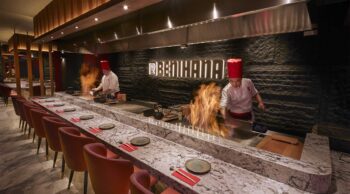
“Benihana is a great example,” he says. “It’s a brand people love, but it hadn’t really been explored in licensing. We’ve gone in with a food-first approach, creating iconic sauces, frozen dumplings, and even Benihana-flavored chicken skin chips. Imagine crispy, protein-packed chicken skin snacks flavored with Benihana garlic butter or teriyaki. That’s the kind of innovation that excites licensees.”
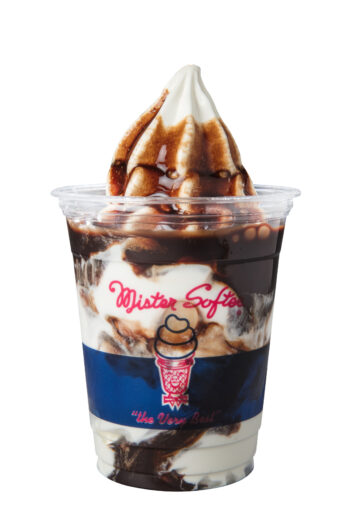
He also cites Mr. Softee, the nostalgic ice cream truck brand, as one of Surge’s most creative programs. “We licensed Mr. Softee into the beer category,” Freedman says. “We did a hazy IPA, a milkshake stout, and a strawberry yuzu beer that tasted like a strawberry sorbet. We thought it’d just be for the tap room, but retailers started calling, asking where to stock it. That’s when you know you’ve hit a nerve.”
Then there’s Junior’s Cheesecake, another long-standing New York favorite that’s expanding into new retail categories.
“We took Junior’s into the liqueur category with cheesecake-flavored liqueurs, and we’ve had huge success with Junior’s Coffee,” Freedman notes. “Those programs are proof that restaurant brands can thrive at retail year after year.”
Food Licensing: Bigger Than Toys, Stronger Than Trends
 The good news for restaurants opting for licensing programs is that the category performs consistently well, as compared to fashion, toys, or entertainment.
In fact, Freedman argues that restaurant and food licensing are the powerhouse categories of the industry, and it’s much easier to create a lasting, evergreen brand that will sell consistently for decades.
“Food and beverage licensing is way bigger than any other category,” he says. “You can have a hit toy line that sells $100 million in its first year, but what happens in year five or ten? Food keeps selling because people always eat.”
That’s a crucial distinction for long-term brand building. Whereas entertainment IP tends to rise and fall with media cycles, restaurant brands enjoy perpetual relevance. “Food is a need, not a want,” Freedman says. “People might go out less often because of rising costs, but they still want that restaurant flavor at home. That’s what makes licensing so powerful; it fills that gap.”
Despite the opportunities, Freedman acknowledges that restaurant licensing can fail if executed poorly. That usually happens particularly when brands and licensees aren’t aligned.
“I’ve heard the horror stories,” he says. “Restaurant brands that offer no marketing support, that don’t put product in front of their patrons. That’s a killer. The trick is to have the restaurant market the licensed product; you know, put it at the bar, offer samples, or create cross-promotions.”
That philosophy has made Surge Brands a favorite not only with licensors but also with licensees. “Licensees love working with us,” Freedman says. “They like our creativity, our energy, and the way we structure deals. It’s gone so far that licensees now call us saying, ‘Can we start companies with you’?”
The Future of Restaurant Licensing Looks Bright
 Freedman believes the category is not only surviving nicely, but is poised for explosive growth. “Restaurant licensing is going to soar,” he says. “People still want restaurants, but they’re spending more time eating at home. Restaurant brands that bring their products into retail will win, and those that don’t will fall behind.”
He also predicts that a new wave of manufacturers will enter the market. “Private-label producers that have never licensed before will start taking on restaurant brands,” he says. “They’ll do it because of the power those brands have at retail, and because they know they can scale fast.”
As for restaurants themselves, Freedman’s advice is simple but firm: don’t wait.
“This is your hedge against anything,” he says. “It’s your way to market to people, to put your iconic items in their homes, and to drive them back into your restaurants.
“Number one, it’s free advertising that pays you. Number two, if you’re not doing it, your competitors are. And number three, you’re losing consumers by not doing it.”
That’s a message backed not just by licensing logic, but by hard economic reality. As Freedman puts it, “Would people rather buy generic sauce—or Outback Steakhouse’s sauce, because they can’t afford to go three times a week?
“They might go once or twice a month, but they’ll want that flavor in their kitchen every week. That’s the business we’re in. We bring restaurant experiences to the home.”